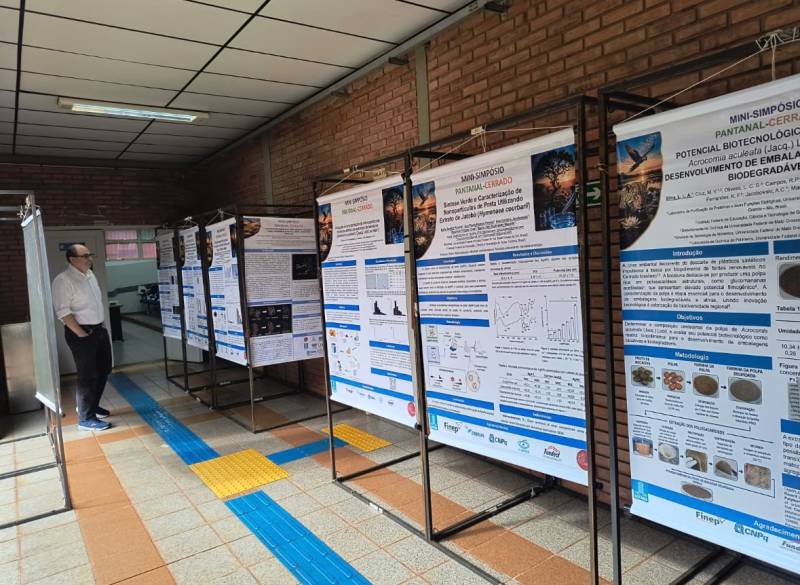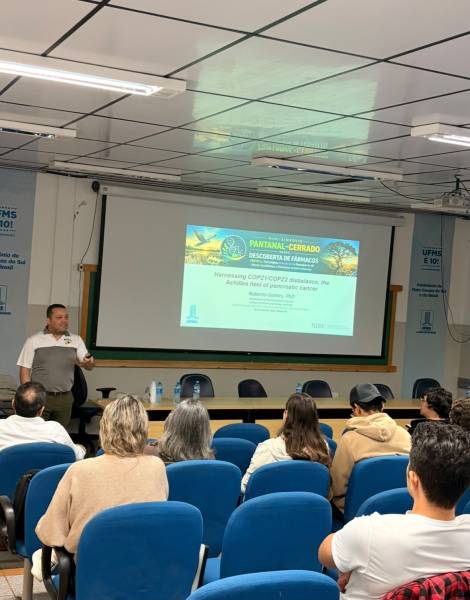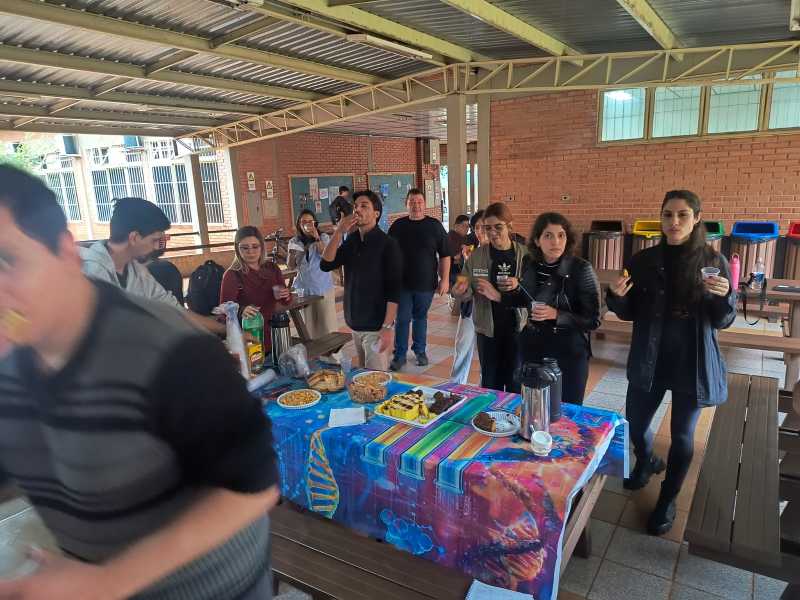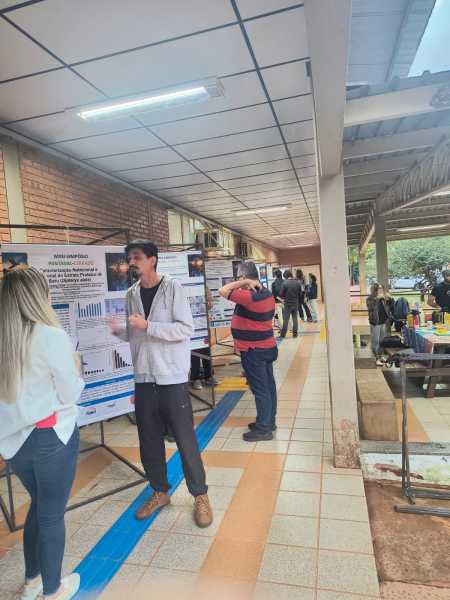

Pantanal–Cerrado Mini-Symposium brings together researchers from Brazil and the United States at UFMS to discuss advances in drug discovery
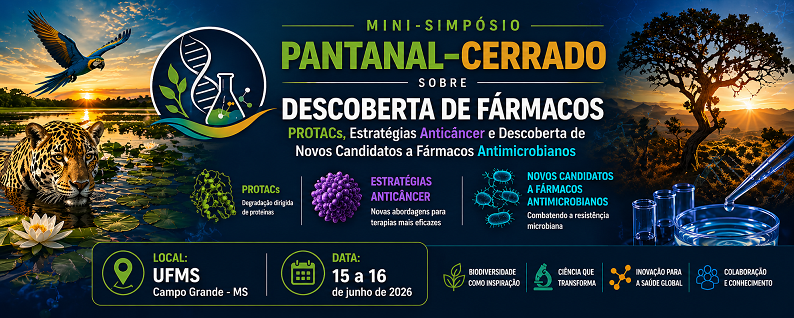
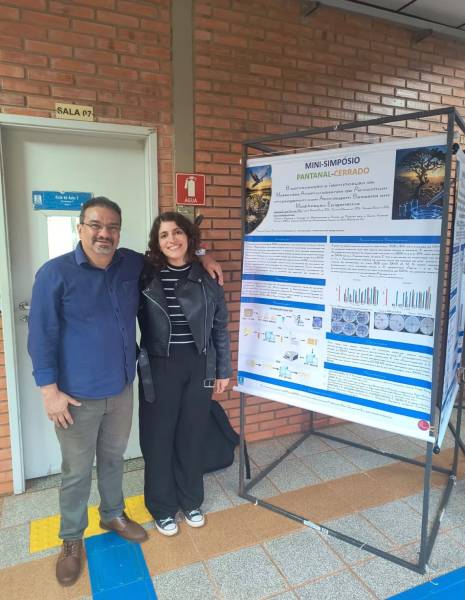
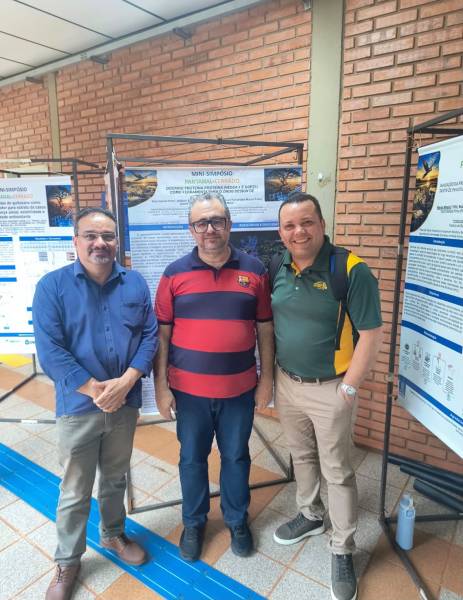
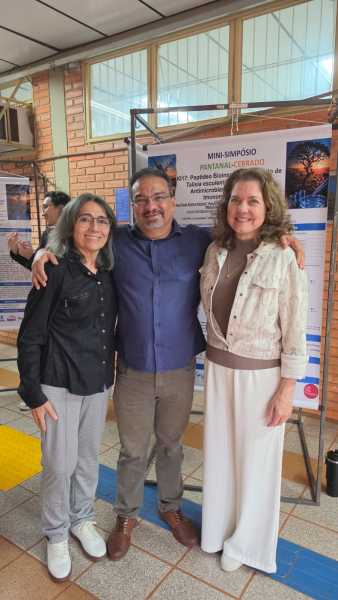
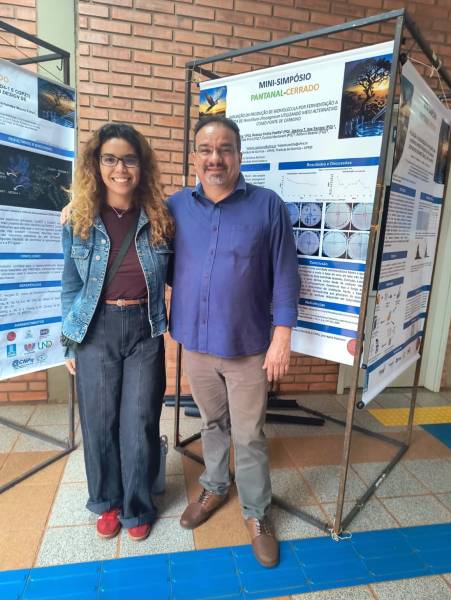
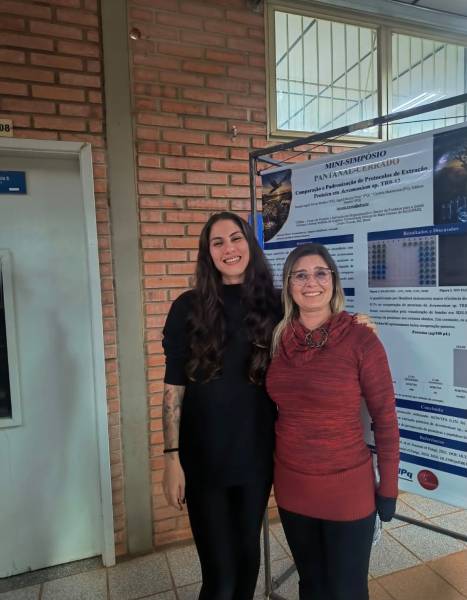
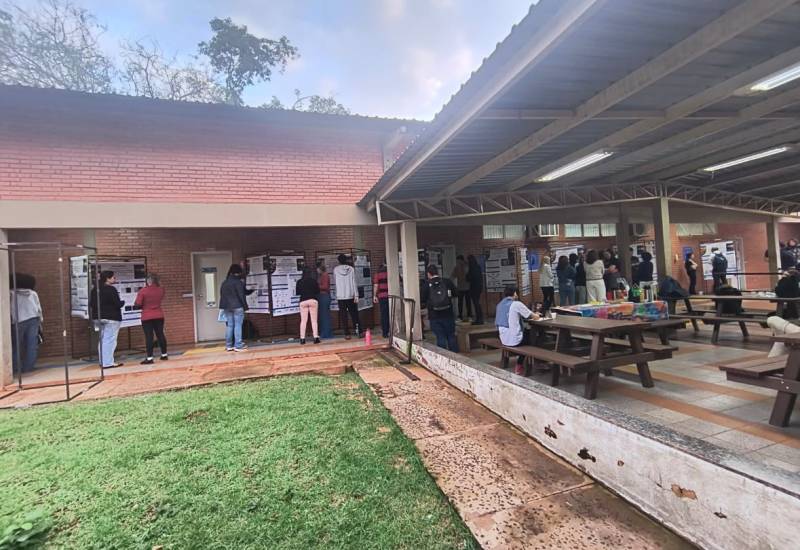
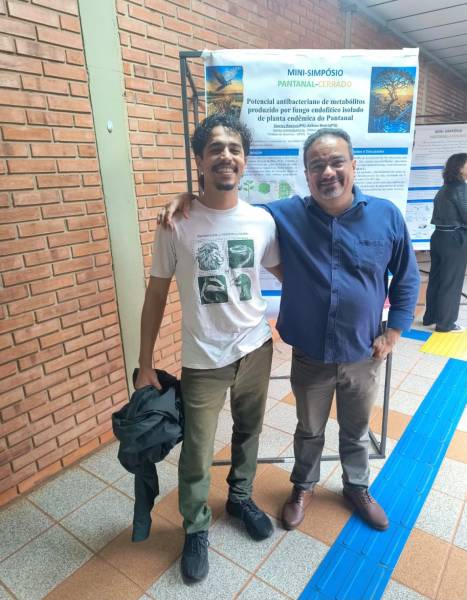
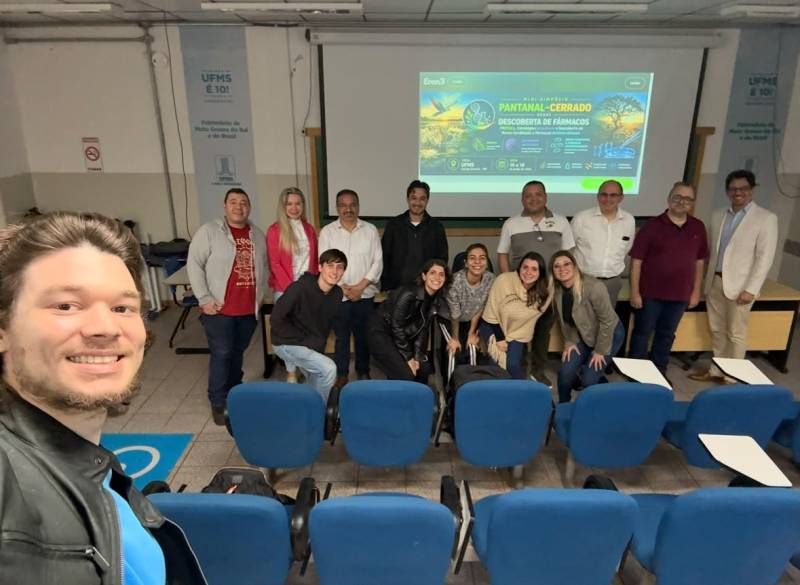
The Federal University of Mato Grosso do Sul hosted, on June 15 and 16, 2026, the Pantanal–Cerrado Mini-Symposium on Drug Discovery: PROTACs, Anticancer Strategies, and the Discovery of New Antimicrobial Drug Candidates. The event was organized by the Center for Research and Innovation in Bioprospecting and Synthesis of Products for Human and Animal Health (CIBSint) and the UFMS Organic Chemistry Club (CQO-UFMS), under the coordination of Prof. Dr. Adilson Beatriz, from the UFMS Institute of Chemistry.
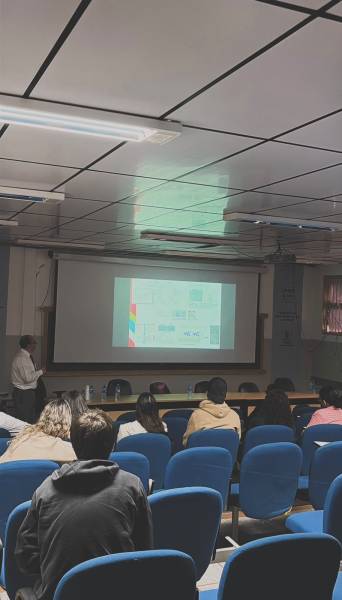
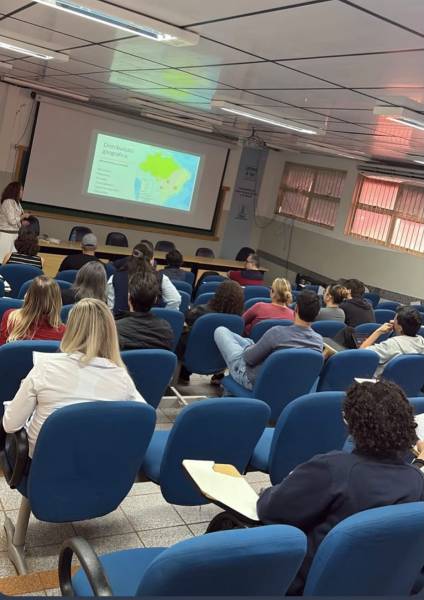
The initiative brought together researchers, undergraduate and graduate students, and professionals interested in strategic topics related to medicinal chemistry, bioprospecting, and innovation in health. Throughout the program, recent advances in the discovery of new bioactive molecules were discussed, with emphasis on anticancer strategies, targeted protein degradation using PROTACs, natural product bioprospecting, and the identification of new antimicrobial drug candidates.
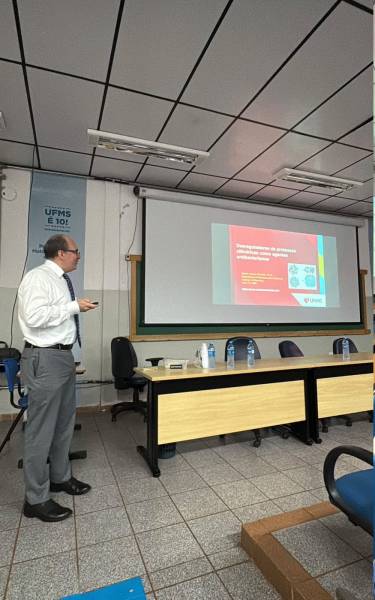
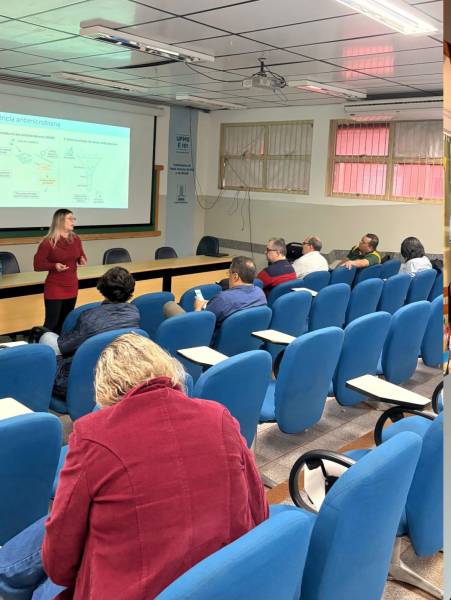
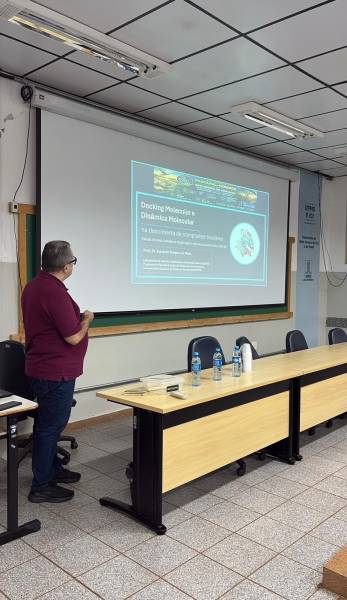
One of the highlights of the event was the participation of invited researchers from national and international institutions. Among the guests from the United States were Dr. Roberto da Silva Gomes, Dr. Martin Conda-Sheridan, and Dr. Gizele Celante, who contributed to discussions on modern strategies in medicinal chemistry, molecular design, drug discovery, and innovative approaches to cancer treatment. The symposium also featured the participation of Dr. Eduardo Mello, from the State University of Western Paraná (UNIOESTE), as well as researchers from UFMS, strengthening scientific exchange and integration among different research groups.
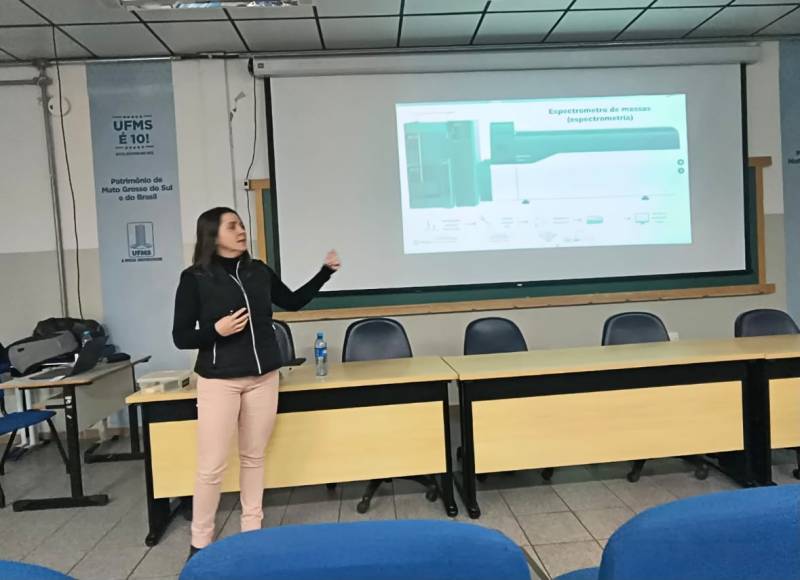
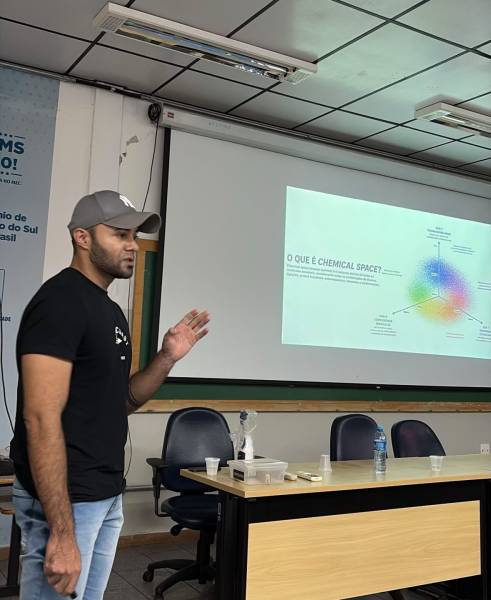
The presence of researchers working in Brazil and abroad reinforced the interdisciplinary and international nature of the Mini-Symposium, providing participants with exposure to frontier topics in drug discovery. The presentations and discussions contributed to broadening the understanding of new therapeutic approaches, including the use of PROTACs for selective protein degradation, anticancer strategies, molecular interaction studies, bioprospecting of bioactive metabolites, and the search for new antimicrobial compounds.
The symposium also aimed to highlight scientific research developed from the biodiversity of the Pantanal and Cerrado biomes, promoting integration among areas such as organic chemistry, medicinal chemistry, biotechnology, microbiology, pharmacology, and technological innovation. The initiative reinforces the role of UFMS in training highly qualified human resources and consolidating scientific collaboration networks focused on the discovery of innovative therapeutic solutions.
According to the organizing committee, the event is part of the activities of the project “Using the PROTAC Strategy to Degrade COPZ1 and Selectively Eliminate PDAC Cells,” approved under the CNPq/MCTI/FNDCT Call No. 22/2024 – Knowledge Brazil Program – Support for Network Projects with Brazilian Researchers Abroad. The initiative demonstrates CIBSint’s commitment to research internationalization, regional scientific development, and the connection between basic science, technological innovation, and applications in human and animal health.
For Prof. Adilson Beatriz, coordinator of the event, the Mini-Symposium represents an important opportunity to expand scientific dialogue in frontier areas. “Drug discovery requires interdisciplinary collaboration, adequate infrastructure, and continuous training of researchers. The event helps bring students and researchers closer to current and strategic topics, such as PROTACs, cancer, antimicrobial resistance, and natural product bioprospecting,” he stated.
With the organization of the Pantanal–Cerrado Mini-Symposium, CIBSint and the UFMS Organic Chemistry Club reaffirm their role in promoting science, innovation, and academic integration, encouraging new national and international partnerships and contributing to the advancement of drug discovery research in the Brazilian Midwest and across Brazil.
Website: Click here